
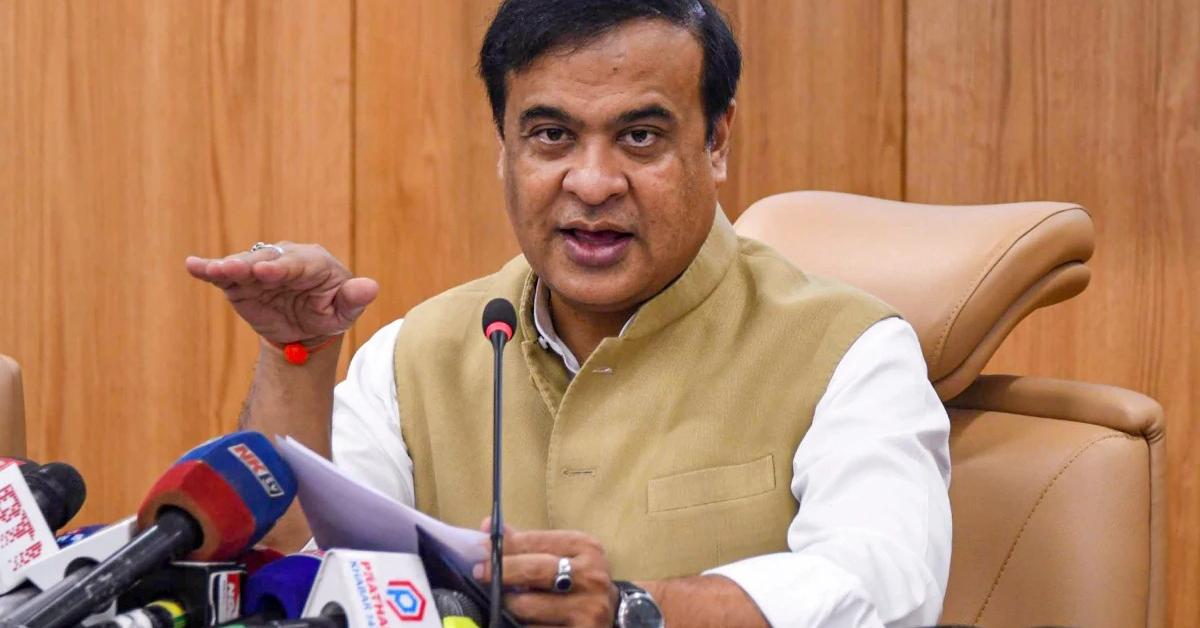

Assam Chief Minister Himanta Biswa Sarma on Saturday expressed concern over what he described as significant demographic changes in the state, claiming that Bangladeshi-origin Muslims could account for around 40 per cent of Assam’s population by 2027.
Speaking at a public programme in Guwahati, Sarma said his assessment was based on projections drawn from previous census data and population growth trends. Referring to the 2011 Census, he noted that Muslims constituted about 34 per cent of Assam’s population at the time and alleged that migration from across the Bangladesh border had contributed to subsequent increases.
The Chief Minister said the issue posed a challenge to Assam’s social and cultural fabric, often encapsulated in the phrase “jati, mati and bheti”—identity, land and roots. He asserted that demographic imbalance could have far-reaching political and social consequences if not addressed in time.
Sarma reiterated that his government was committed to safeguarding the interests of indigenous communities through measures such as stricter border vigilance and enforcement of citizenship and land laws. He also criticised previous governments, alleging that their policies had failed to check illegal migration.
The remarks come against the backdrop of long-standing debates in Assam over migration, citizenship and identity, particularly following exercises such as the National Register of Citizens (NRC) and the implementation of the Citizenship Amendment Act (CAA).
Opposition parties and civil society groups reacted cautiously to the statement, urging restraint and warning against framing demographic issues along communal lines. They stressed that population changes are influenced by multiple socio-economic factors and should be addressed through inclusive and data-driven policymaking.
Assam has not seen an official population count since 2011, as the 2021 Census was postponed, making the next census—expected in 2027—crucial for an accurate understanding of demographic trends in the state. With Assembly elections approaching, the issue is expected to remain central to political discourse in Assam.
- Log in to post comments