
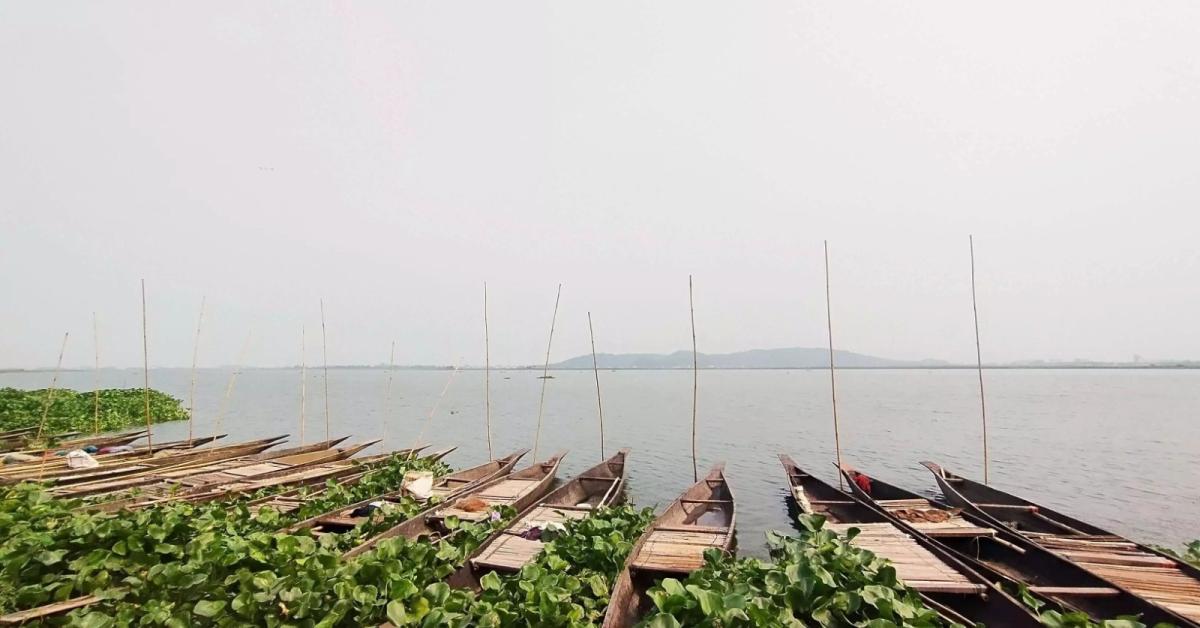

Preparations are underway at Deepor Beel, one of Assam’s most important wetlands, as local fishing communities get ready to celebrate the annual traditional community fishing festival on January 4.
The age-old festival, held at the vast freshwater lake on the western outskirts of Guwahati, marks the resumption of fishing activities after a seasonal ban. Nearly 800 fishing families from villages surrounding Deepor Beel are expected to participate in the collective fishing event, which is deeply rooted in the region’s cultural and economic life.
The festival is organised by the Deepor Beel Paspara Cooperative Society, a registered body that manages fishing rights and works for the welfare of the local fisherfolk. The event will begin early in the morning with customary rituals and prayers, followed by community fishing using traditional methods and equipment.
According to members of the cooperative society, fishing at Deepor Beel remains prohibited for several months each year to allow fish stocks to regenerate. During the monsoon season, fish fingerlings are released into the wetland to sustain biodiversity and ensure livelihoods for the dependent communities. The annual festival symbolises the reopening of the beel for fishing in a regulated and collective manner.
A festive atmosphere is expected along the Azara side of Deepor Beel, where fish buyers from different parts of the city and nearby areas traditionally gather to purchase the fresh catch. Fish are often sold using traditional local measures rather than standard weighing systems, adding to the unique character of the event.
Beyond its economic significance, the community fishing festival reflects the close relationship between the wetland and the people living around it. Deepor Beel, a Ramsar-listed wetland, is not only vital for fisheries but also plays a crucial role in flood control, groundwater recharge and biodiversity conservation.
The annual festival continues to highlight the importance of preserving traditional livelihoods while maintaining ecological balance in one of Guwahati’s most sensitive natural ecosystems.
- Log in to post comments