
In a rare medical breakthrough, Assam has reported its first confirmed survival following a king cobra bite, after a man from Boko in Kamrup district recovered under close medical supervision, officials said.
The incident occurred on December 16 when the victim, a resident of Nichinpur village in Boko, was bitten while clearing bushes near his home. Initially unaware of the seriousness of the bite, he experienced only local pain and swelling and delayed seeking specialised medical care.
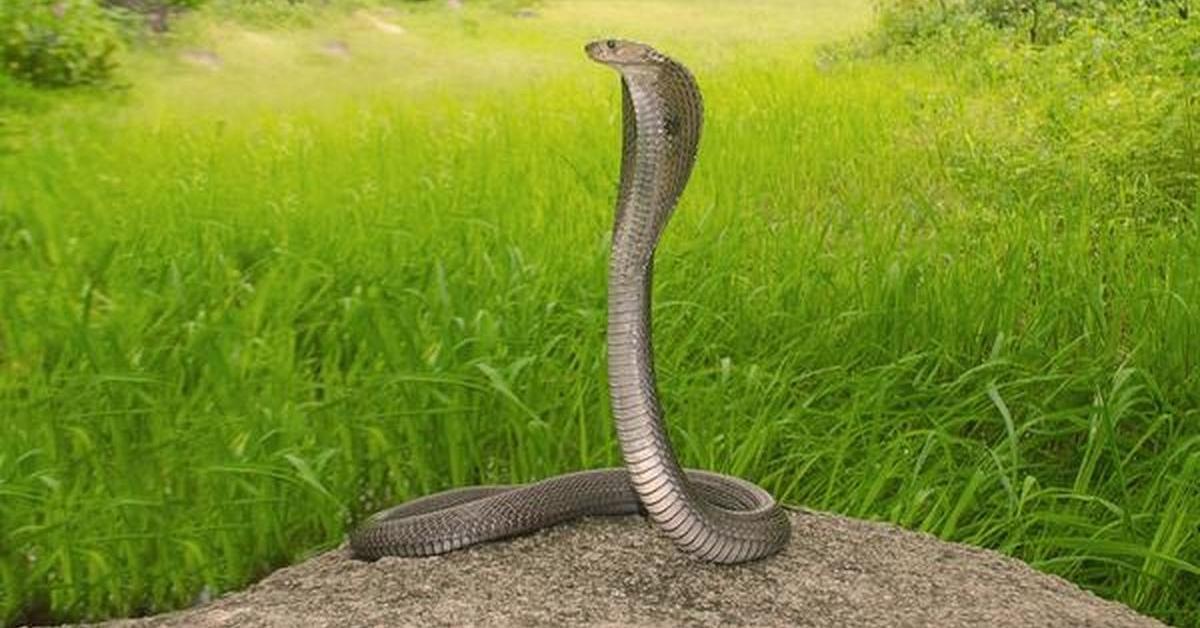
The snake involved was later photographically identified as a king cobra (Ophiophagus hannah), one of the world’s most venomous snakes. Following the identification, the patient was rushed to Bamunigaon Model Hospital, where he was administered polyvalent anti-snake venom as a precautionary measure and placed under observation.
Given the absence of species-specific antivenom for king cobra bites, doctors referred the patient to Gauhati Medical College and Hospital (GMCH) for advanced monitoring and supportive care. Medical teams closely observed him for signs of neurotoxicity, respiratory distress or systemic complications commonly associated with king cobra envenomation.
Doctors said the patient remained clinically stable, with no major neurological symptoms developing even after the critical observation period. Experts believe the survival may be attributed to a partial or ‘dry’ bite, in which little or no venom is injected, combined with timely medical intervention and coordinated response.
Health officials and snakebite specialists described the case as a significant milestone for Assam, where encounters with king cobras are extremely rare and historically considered almost always fatal due to the lack of targeted antivenom.
“This is the first confirmed documented survival of a king cobra bite in the state,” a senior health official said, crediting the outcome to quick coordination between local responders, wildlife experts and medical teams.
The incident has highlighted the importance of early hospitalisation, proper identification of snake species, and well-coordinated referral systems in managing high-risk snakebite cases, particularly in rural areas.
Authorities have also urged the public to seek immediate medical attention after any snakebite and avoid traditional remedies, stressing that timely treatment can be life-saving.
Assam records hundreds of snakebite cases every year, especially during monsoon and post-monsoon months. Health officials said the rare survival underscores the need for continued training, awareness and strengthening of snakebite response systems across the state.
- Log in to post comments