
A four-year delay in completing a crucial 87-km stretch in Gujarat has emerged as the biggest bottleneck holding back the full operationalisation of the Rs 1-lakh-crore Delhi–Mumbai Expressway, one of India’s most ambitious infrastructure projects.
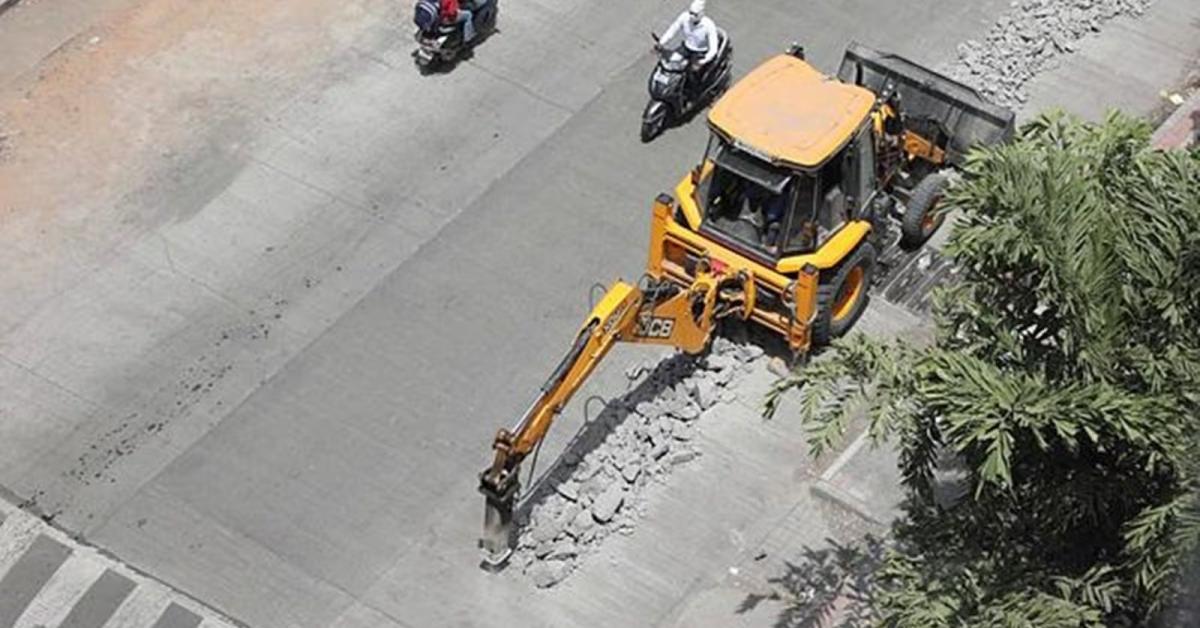
According to official records, the delayed stretch comprises three construction packages that were originally awarded in 2021. Nearly four years later, less than 20 per cent of the work on this section has been completed, raising serious concerns within the Ministry of Road Transport and Highways (MoRTH) and the National Highways Authority of India (NHAI).
The 1,386-km-long access-controlled expressway is designed to cut travel time between Delhi and Mumbai to around 12 hours and significantly boost logistics efficiency. While large portions of the corridor across Haryana, Rajasthan, Madhya Pradesh and parts of Gujarat are either completed or nearing completion, the unfinished 87-km stretch has disrupted the continuity of the project.
The three packages were awarded to a Pune-based infrastructure firm. Due to slow progress, two of these contracts were terminated by NHAI in March 2023. However, after fresh bidding, the same contractor emerged as the lowest bidder and was re-awarded the projects in November 2023—a decision that has since drawn scrutiny amid continuing delays.
The contractor has blamed the slowdown on delayed land acquisition and inadequate handover of encumbrance-free land by NHAI. In contrast, NHAI officials have cited poor performance, contractual disputes and repeated litigation by the firm as key reasons for the stalled progress.
Senior officials said NHAI is closely monitoring the situation and may issue show-cause notices or consider termination if timelines are not met. “This short stretch has become a choke point for the entire expressway. Despite most sections being ready, full end-to-end connectivity cannot be achieved until this bottleneck is cleared,” an official said.
The delay has broader implications for freight movement, fuel efficiency and economic activity that the expressway was expected to catalyse. With the project already behind its original schedule, the government now faces pressure to resolve contractor-related issues swiftly and ensure strict enforcement of deadlines.
As the Centre pushes for faster infrastructure delivery under its flagship connectivity programmes, the stalled 87-km stretch stands out as a reminder that execution challenges—rather than funding—remain the biggest hurdle to timely completion of mega projects.
- Log in to post comments