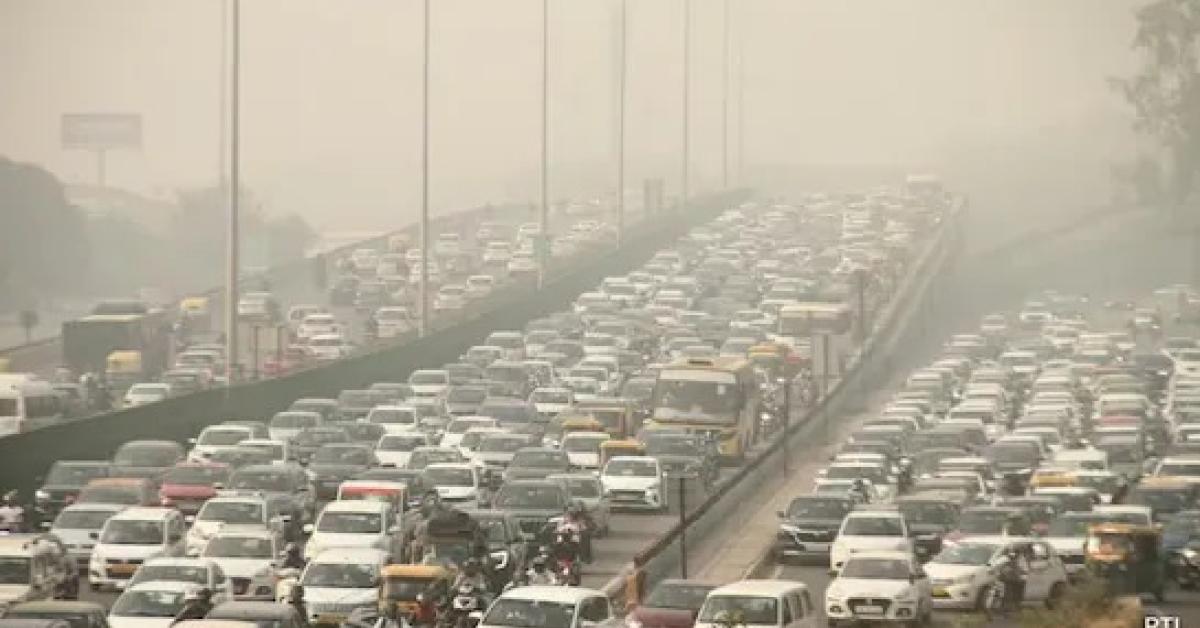

In a bid to combat worsening air pollution, authorities in the national capital have begun enforcing strict checks on vehicles entering Delhi, turning away old and non-compliant cars at border points or imposing fines of up to ₹20,000.
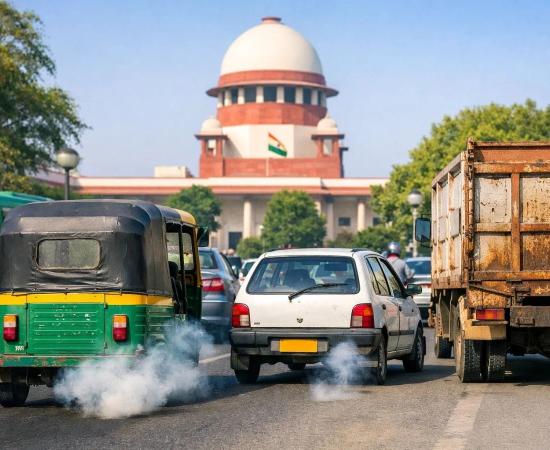
The action comes after the implementation of Stage IV of the Graded Response Action Plan (GRAP), triggered as Delhi’s air quality slipped into the severe category. Under the latest restrictions, vehicles that do not meet Bharat Stage-VI (BS-VI) emission norms are being stopped at entry points across the city, particularly at busy borders connecting Delhi with neighbouring states such as Uttar Pradesh and Haryana.
According to officials, enforcement teams comprising Delhi Police and transport department personnel are checking vehicles for emission standards, valid Pollution Under Control (PUC) certificates, and BS-VI compliance stickers. Vehicles found violating the norms are either being denied entry into the city or penalised heavily.
“Drivers of non-compliant vehicles are being given two options — either pay a fine of up to ₹20,000 or return from the border without entering Delhi,” an official said, adding that the drive will continue as long as pollution levels remain critical.
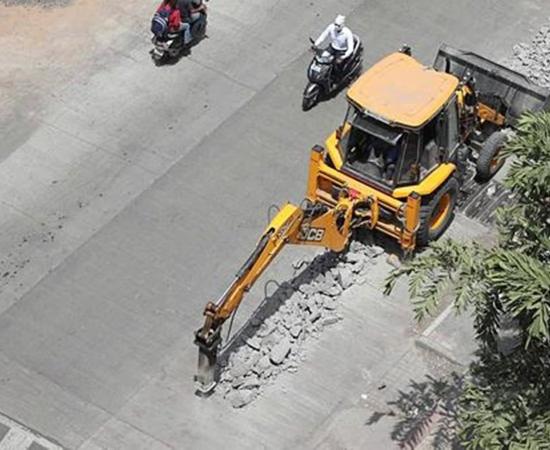
The move is part of a broader set of emergency measures aimed at reducing vehicular emissions, which are considered a major contributor to Delhi’s winter smog. Alongside border checks, restrictions such as curbs on construction activity, increased monitoring of industrial emissions, and advisories promoting work-from-home arrangements have also been rolled out.
Authorities have urged commuters to avoid unnecessary travel, use public transport, and ensure their vehicles comply with emission norms before attempting to enter the city. Residents have also been advised to keep PUC certificates updated to avoid penalties.
While the measures have led to longer queues and inconvenience at several border points, officials maintain that strict enforcement is essential to protect public health. Delhi has consistently ranked among the world’s most polluted cities during winter, with air pollution linked to respiratory illnesses and other serious health conditions.
The restrictions will be reviewed periodically, and further decisions will depend on the city’s air quality levels in the coming days.
- Log in to post comments