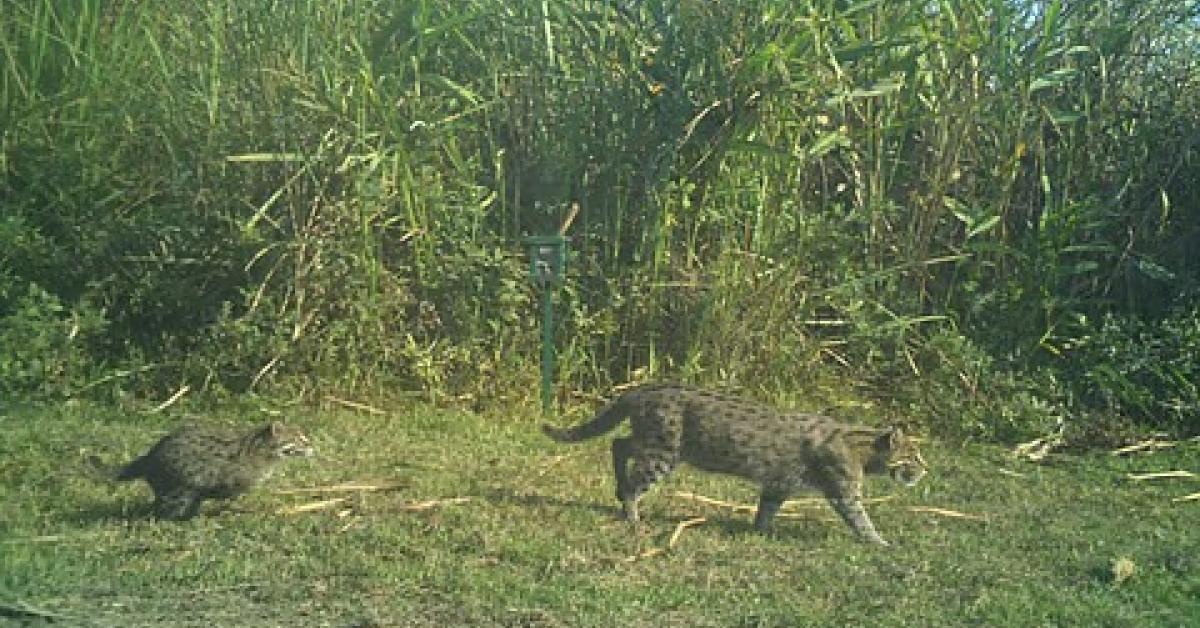

Kaziranga National Park and Tiger Reserve has emerged as an important refuge for the vulnerable fishing cat, with a recent study reporting a healthy and thriving population of the elusive wetland predator in the Brahmaputra floodplains.
The findings indicate that the world-famous park, best known for its population of the one-horned rhinoceros, is also playing a crucial role in conserving lesser-known wetland species. Researchers noted that the fishing cat — one of the few wild cats specially adapted to hunt in aquatic environments — is benefiting from Kaziranga’s extensive marshes, oxbow lakes and riverine grasslands.
Officials associated with the study described the protected area as a vital stronghold for the species in northeastern India. The presence of a stable population highlights the ecological health of the park’s floodplain habitats, which remain among the most intact in South Asia.
The fishing cat is currently listed as Vulnerable on the IUCN Red List, with populations declining in many parts of its range due to rapid wetland degradation, habitat fragmentation, depletion of fish stocks, accidental trapping, road mortality and retaliatory killings.
Wildlife experts say the encouraging numbers from Kaziranga underscore the success of sustained habitat protection and anti-poaching efforts in the reserve. They emphasised that conserving the fishing cat will also help safeguard fragile wetland ecosystems that support a wide range of biodiversity and local livelihoods.
Conservationists have called for continued monitoring and protection of floodplain habitats across Assam to ensure the long-term survival of the species. The latest study further strengthens Kaziranga’s reputation not only as a global stronghold for megafauna but also as a critical sanctuary for smaller, specialised wetland carnivores.
- Log in to post comments