
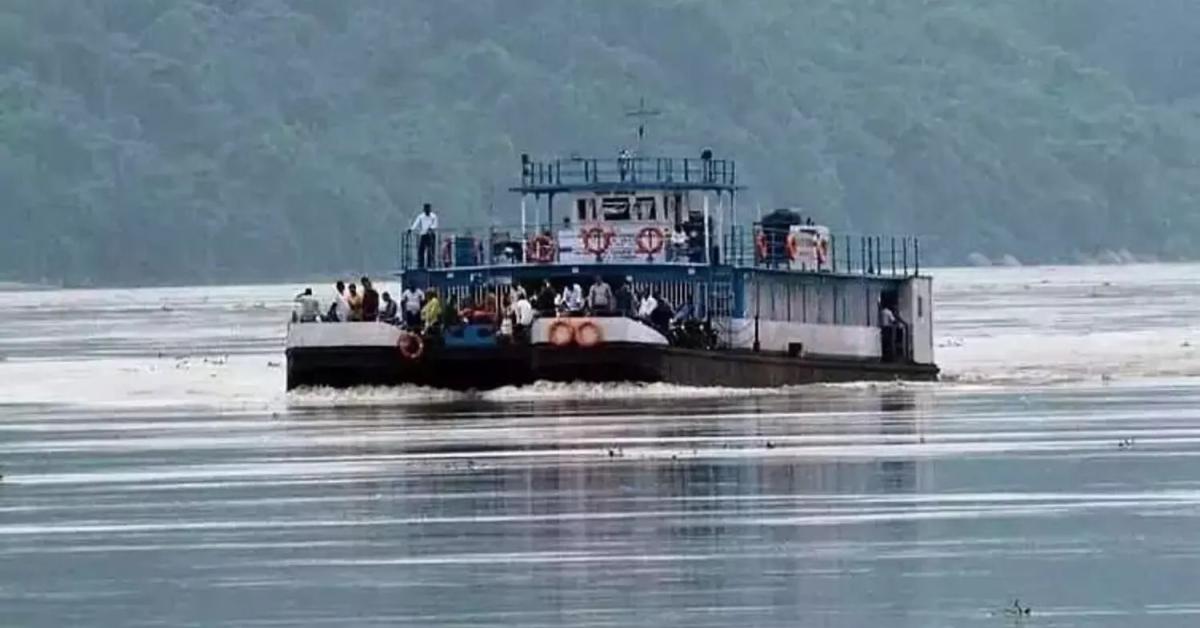

The Government of Assam has restructured the state’s inland water transport administration by splitting the long-standing Directorate of Inland Water Transport, a move that has sparked concern among employees over job security and the possibility of gradual privatisation of ferry services.
As part of the decision approved by the state Cabinet, all operational functions and assets—including ferries, ghats and terminals—have been transferred to Assam Inland Waterways Company Limited (AIWCL), a government-owned company. The remaining wing of the directorate will act as a regulatory authority responsible for safety, standards and oversight.
The government has said the reorganisation is intended to modernise inland water transport by clearly separating regulation from operations, improving efficiency and attracting investment. However, employees of the erstwhile directorate, numbering around 2,600, say there is no clear roadmap on how staff will be absorbed or redeployed under the new structure.
Employee representatives have voiced apprehension that shifting operations to a corporate entity could eventually open the door to privatisation through leasing of ferry routes and river terminals. Their concerns have been reinforced by the state’s move to invite bids for leasing the newly constructed water terminal in Guwahati.
Commuters have also expressed unease following recent fare revisions on certain routes, including services to Umananda, after operations were brought under the company. Critics argue that higher fares could affect daily river-dependent travellers if commercial considerations take precedence over public service.
Officials counter that inland water transport continues to be heavily subsidised and that the new model will help reduce losses while improving infrastructure and service quality. A government committee has been constituted to examine manpower requirements and recommend measures to safeguard employees during the transition.
Unions maintain that ferry services in riverine Assam are an essential public utility and should remain affordable and publicly accountable. They have sought written assurances on service conditions and warned of legal and democratic action if their concerns are not addressed.
The restructuring is part of a broader push to upgrade Assam’s waterways infrastructure, but the coming months will be crucial in determining whether the new framework balances efficiency with employee security and public interest.
- Log in to post comments