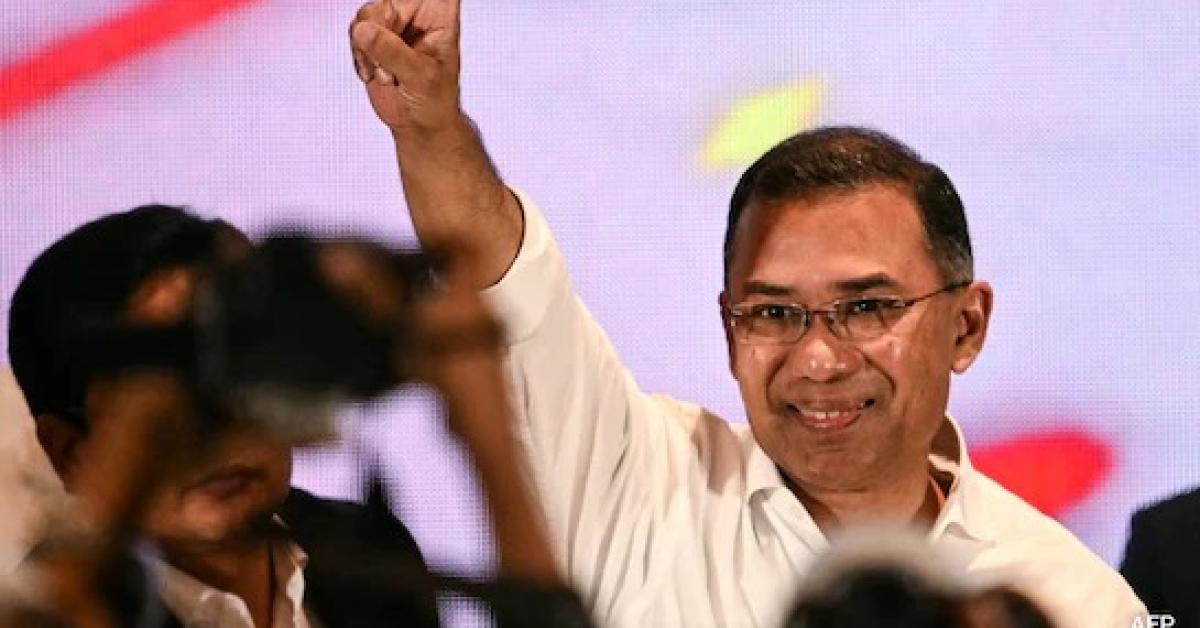

As Bangladesh enters a new political phase following the return of Tarique Rahman to the centre of power, the Awami League finds itself grappling with a fundamental question: whether to seek reconciliation in a changed political landscape or pursue retribution for years of bitter rivalry.
Rahman, the acting chairperson of the Bangladesh Nationalist Party, is poised to assume leadership after his party’s decisive electoral victory, marking a dramatic reversal of fortunes following nearly two decades of political exile. His rise comes in the aftermath of mass protests and political upheaval that ended the long rule of former Prime Minister Sheikh Hasina, forcing her out of office and reshaping the country’s political order.
In his post-election statements, Rahman has struck a conciliatory tone, urging unity and cautioning against politics driven by vengeance. He has repeatedly emphasised that accountability for past excesses must come through legal and institutional mechanisms rather than street justice or political reprisals. “Justice must be delivered by the rule of law, not by revenge,” he has said, seeking to reassure both domestic audiences and international observers wary of renewed instability.
For the Awami League, however, the path forward is far from clear. After years in power, the party now faces organisational setbacks, legal scrutiny of its leaders, and a sharply reduced role in national politics. Sections within the party argue that reconciliation with the BNP-led dispensation is necessary to preserve democratic space and prevent further marginalisation. Others, particularly within its grassroots and student wings, view Rahman’s rise with suspicion, alleging political vendetta and warning against what they describe as an attempt to rewrite recent history.
Political analysts note that the Awami League’s dilemma reflects a broader challenge confronting Bangladesh: how to balance demands for justice over alleged abuses of power with the need for political stability and national reconciliation. A confrontational approach, they warn, could deepen polarisation and trigger cycles of retaliation that have long plagued the country’s politics.
As Bangladesh navigates this delicate transition, the choices made by both the ruling BNP and the opposition Awami League are likely to shape the trajectory of its democracy. Whether the coming months are defined by dialogue and institutional reform or by renewed political score-settling may determine if the country can finally move beyond its entrenched culture of winner-takes-all politics.
- Log in to post comments