
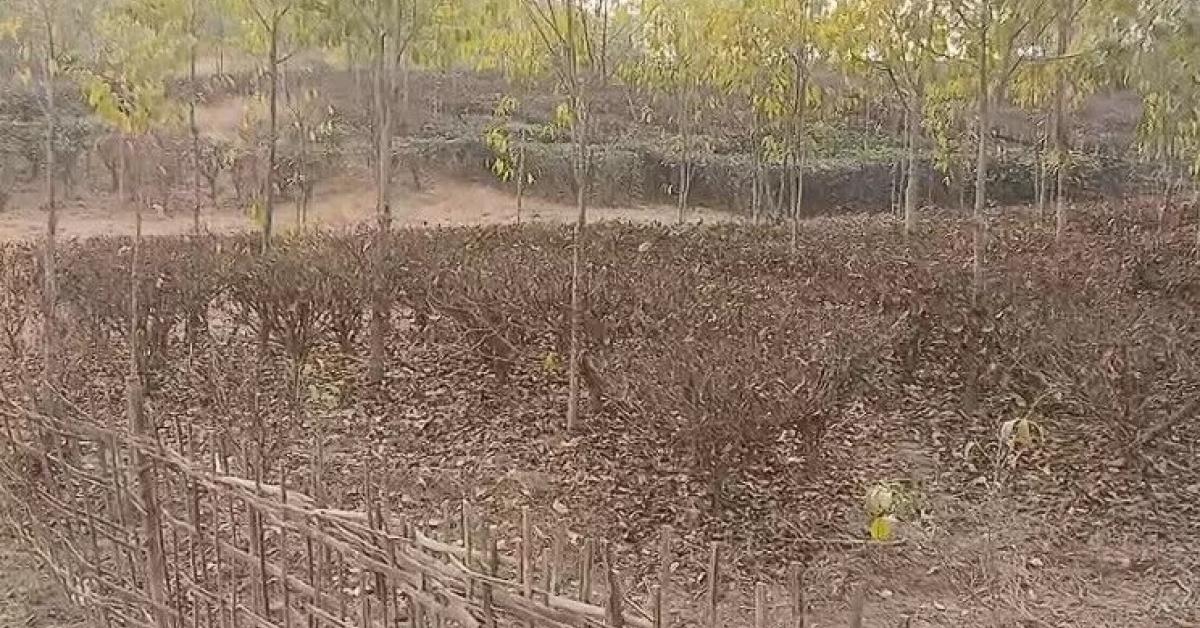

A prolonged dry spell lasting nearly six months has pushed around 2,000 small tea growers in the Tengani area of Assam’s Golaghat district into severe distress, with falling production and mounting financial pressure threatening their livelihoods.
Growers in the tea-dependent belt report acute water scarcity and lack of irrigation facilities as the primary challenges. The absence of rainfall since late last year has led to poor leaf growth, drying of tea bushes and a sharp decline in plucking cycles.
Small tea cultivators, who rely heavily on seasonal rainfall, say the situation has become increasingly unsustainable. Many gardens are struggling to maintain bush health without artificial irrigation, while input costs continue to rise. Farmers fear that continued dry conditions could push them into debt and force some to abandon cultivation.
Local growers have urged the state government to step in with immediate relief measures, including irrigation support, water conservation infrastructure and financial assistance. They warn that without timely intervention, the crisis could deepen in the coming months.
The tea sector remains a key source of rural employment in Upper Assam, and prolonged weather anomalies often have cascading effects on the local economy. Experts note that erratic rainfall and extended dry periods are emerging as growing risks for the small tea grower community, underscoring the urgent need for climate-resilient farming practices and improved water management systems.
- Log in to post comments