
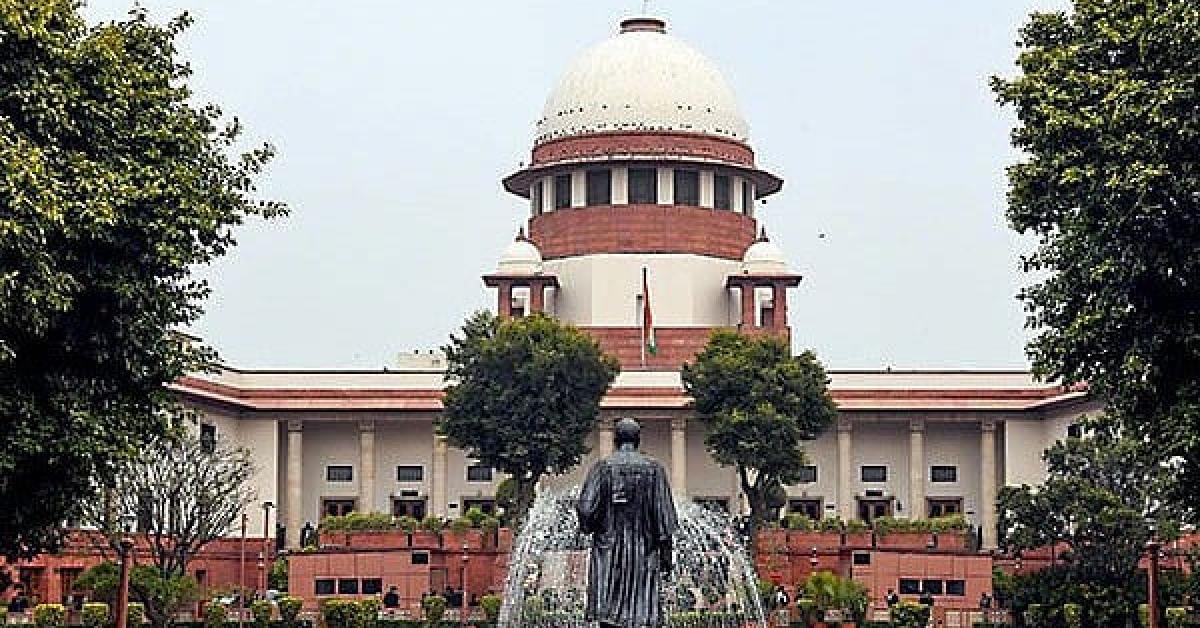

The Supreme Court of India will constitute a nine-judge Constitution Bench to hear the long-pending reference issues arising out of the Sabarimala case from April 7, a move that could have far-reaching implications for the interpretation of religious freedom and gender equality under the Constitution.
The reference stems from review petitions filed against the Supreme Court’s 2018 judgment that allowed women of all age groups to enter the Sabarimala Temple in Kerala. While considering these review pleas in 2019, a five-judge Bench had referred a set of larger constitutional questions to a higher Bench, noting that similar issues also arise in matters concerning other religious practices across faiths.
The questions to be examined by the nine-judge Bench include the scope of Articles 25 and 26 of the Constitution, which deal with the freedom of religion and the rights of religious denominations, and how these provisions are to be balanced with fundamental rights such as equality, non-discrimination and dignity. The Court is also expected to revisit the extent to which courts can scrutinise religious practices claimed to be essential.
According to the schedule indicated, the hearings are likely to be spread over several days in April, with detailed arguments from parties supporting and opposing the 2018 verdict, followed by rejoinders. The Bench is expected to be formally notified through an administrative order of the Chief Justice of India.
The Sabarimala issue has remained one of the most contentious socio-legal debates in recent years, triggering widespread protests in Kerala after the 2018 verdict. The outcome of the nine-judge Bench proceedings is anticipated to not only determine the future course of the Sabarimala case but also set authoritative constitutional principles governing the relationship between religious practices and fundamental rights in India.
- Log in to post comments