

Assam Flood and Erosion Aftermath: Communities Lose Homes, Bonds and a Sense of Belonging
Jonai, Assam:
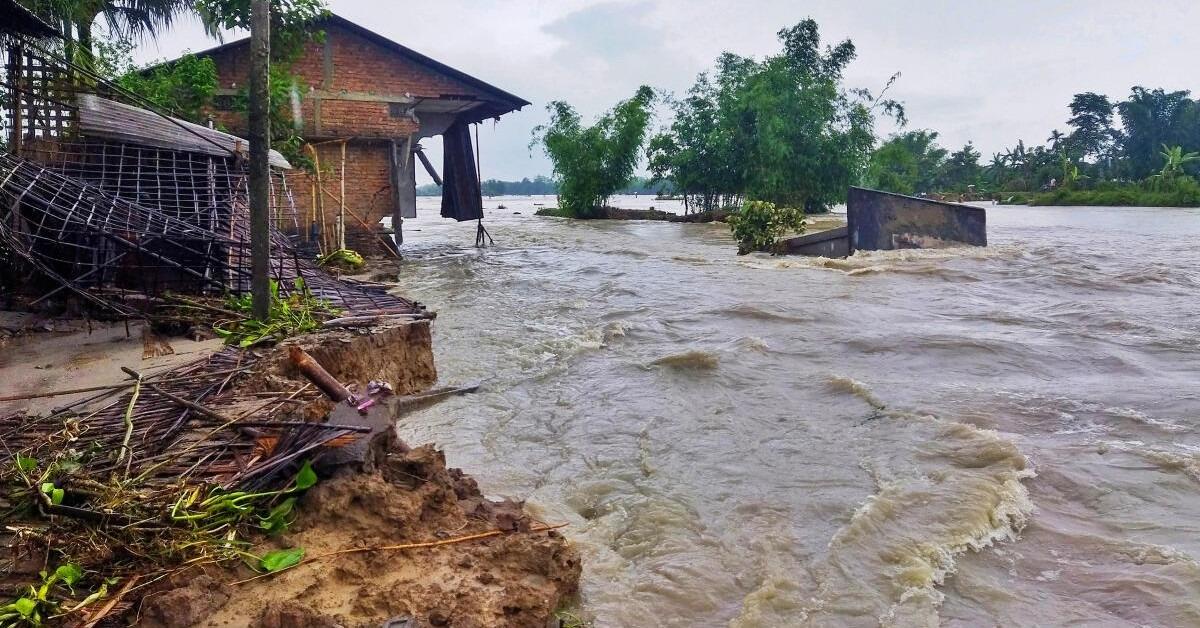
The devastating floods and riverbank erosion that struck parts of Assam in 2024 continue to haunt affected families, long after the waters have receded. In the Jonai subdivision, entire villages have disappeared, leaving behind shattered lives, fractured communities and deep psychological scars.
One of the worst-hit areas was Sivaguri village, which was completely washed away on the night of June 29, 2024, following days of relentless rainfall and a sudden rise in the water level of the Siang river. Residents recalled that the erosion was swift and violent, giving them little time to salvage belongings as homes, farmland and livestock vanished within hours.
Villagers said they were accustomed to seasonal floods, but the scale and speed of erosion this time were unprecedented. Even traditional elevated houses, locally known as chang ghars, failed to withstand the force of the water. Many families escaped with nothing but the clothes they were wearing.
Following the disaster, affected residents were moved to temporary relief camps, including facilities at Jonai Higher Secondary School and later to makeshift shelters in public buildings. While government relief assistance was provided, families said the compensation was insufficient to rebuild homes or purchase land for permanent resettlement.
As a result, the once close-knit Sivaguri community is now scattered across different locations such as Moidapur, Purona Jelem, Jelem, Holikuchi and parts of Tinsukia district. The displacement has disrupted social ties that had bound the village together for generations.
Elderly residents said the loss of the village meant more than the loss of land. Community traditions, collective farming practices and cultural events have all but disappeared. Festivals and rituals that once brought families together are now difficult to organise due to distance and economic hardship.
The impact has been particularly severe on women and children. Several students have dropped out of school after displacement, citing lack of access to nearby educational institutions and increased domestic responsibilities. Basic amenities such as clean drinking water, sanitation and electricity remain inadequate in many of the resettlement areas.
Beyond physical losses, the psychological toll remains heavy. Survivors report recurring nightmares and anxiety, especially during the monsoon season. Mental health support in these remote areas is limited, leaving many to cope with trauma on their own.
Environmental experts warn that climate change, erratic rainfall patterns and unregulated river management are likely to intensify such disasters in the future. Without long-term rehabilitation plans, proper erosion control measures and livelihood support, thousands of families living along Assam’s riverbanks remain vulnerable.
For the displaced residents of Sivaguri and similar villages, the flood and erosion crisis has not only taken away land and homes, but also a shared identity and a sense of belonging that may be impossible to rebuild.
- Log in to post comments