

The lynching of a Hindu man in Bangladesh has drawn sharp condemnation from political leaders and rights groups in the United States, with the killing being described as an “act of hatred and bigotry” and renewing international concern over the safety of religious minorities in the South Asian nation.
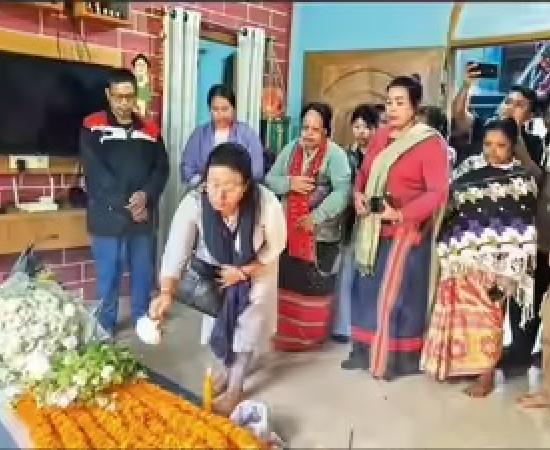
The victim, identified as Dipu Chandra Das, a Hindu garment factory worker, was allegedly beaten to death by a mob in Bangladesh earlier this month. Local media reports said the attack followed accusations and tensions that quickly escalated into mob violence. The incident has since triggered outrage both within Bangladesh and among the global Bangladeshi and South Asian diaspora.
Reacting to the killing, Indian-origin US Congressman Ro Khanna strongly condemned the incident, calling it a “vile act of hatred and bigotry” and urging authorities in Bangladesh to ensure accountability. He stressed that violence targeting individuals because of their religious identity has no place in any society and must be unequivocally denounced.
The US State Department also expressed concern over the lynching, reiterating Washington’s long-standing position on the protection of religious freedom and minority rights. In a statement, US officials urged Bangladeshi authorities to take firm action against those responsible and to ensure the safety and security of all minority communities.
The killing has sparked reactions from human rights organisations and advocacy groups in the United States, who say the incident reflects a broader pattern of intolerance and communal violence. Several diaspora groups have held demonstrations and issued statements demanding justice for the victim and stronger international attention to minority rights issues in Bangladesh.
In Bangladesh, the incident has added to existing concerns over mob violence and communal tensions. While authorities have said investigations are underway, rights groups have called for swift arrests and transparent legal proceedings to prevent similar incidents in the future.
The lynching has also reverberated politically, with leaders and activists warning that failure to address such acts decisively could damage Bangladesh’s international image and strain diplomatic relations. As global scrutiny grows, the case has become a focal point in the wider debate on religious freedom, rule of law and minority protection in the country.
- Log in to post comments