
Villagers from border areas of Assam and Meghalaya have resolved to coordinate efforts to mitigate human-elephant conflict (HEC), a long-standing challenge affecting both lives and livelihoods in the region.
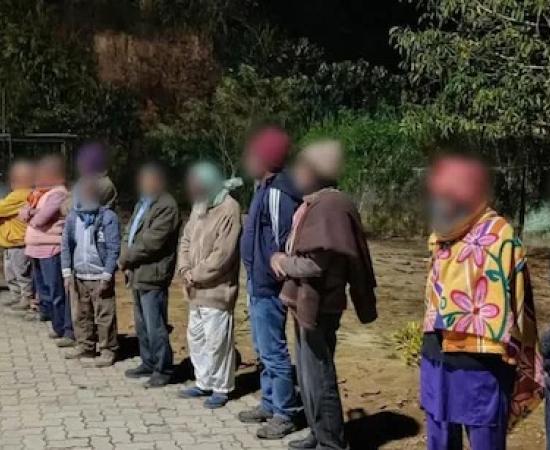
The meeting, held recently in the inter-state border areas including Ketekibari, Chaplengkata, Thakurbila, and Borjhora, saw participation from around 50 community members, including Nokmas, Gaon Burhas, farmers, and officials from conservation group Aaranyak and the Forest Department.
During the discussions, the villagers agreed to form a joint Elephant Protection Committee, aimed at ensuring better coordination in monitoring elephant movements and preventing conflicts. They also committed to mutual support during patrolling and to alert forest teams whenever elephants enter human settlements or crop fields.
Officials and conservationists emphasized the importance of practical measures, such as solar street lighting and the use of torchlights, to reduce nighttime conflicts. The participants also shared best practices for coexistence and strategies to protect crops and property without harming elephants.
“This initiative is a positive step towards fostering community-based conservation,” said a representative from Aaranyak. “By working together across state borders, communities can better safeguard both human lives and elephant populations.”
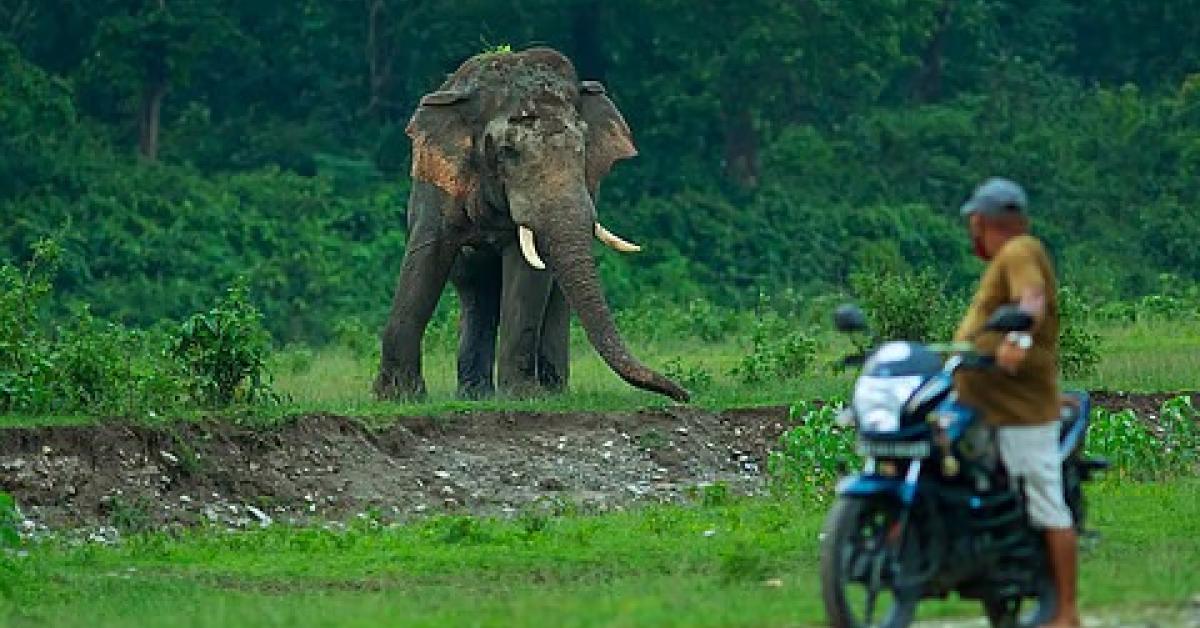
Human-elephant conflict has been a recurring problem in Assam and Meghalaya, where elephants frequently move across traditional corridors, leading to crop damage, property loss, and occasional human casualties. Community-led initiatives like this are increasingly seen as crucial in addressing HEC while promoting coexistence between humans and wildlife.
- Log in to post comments