
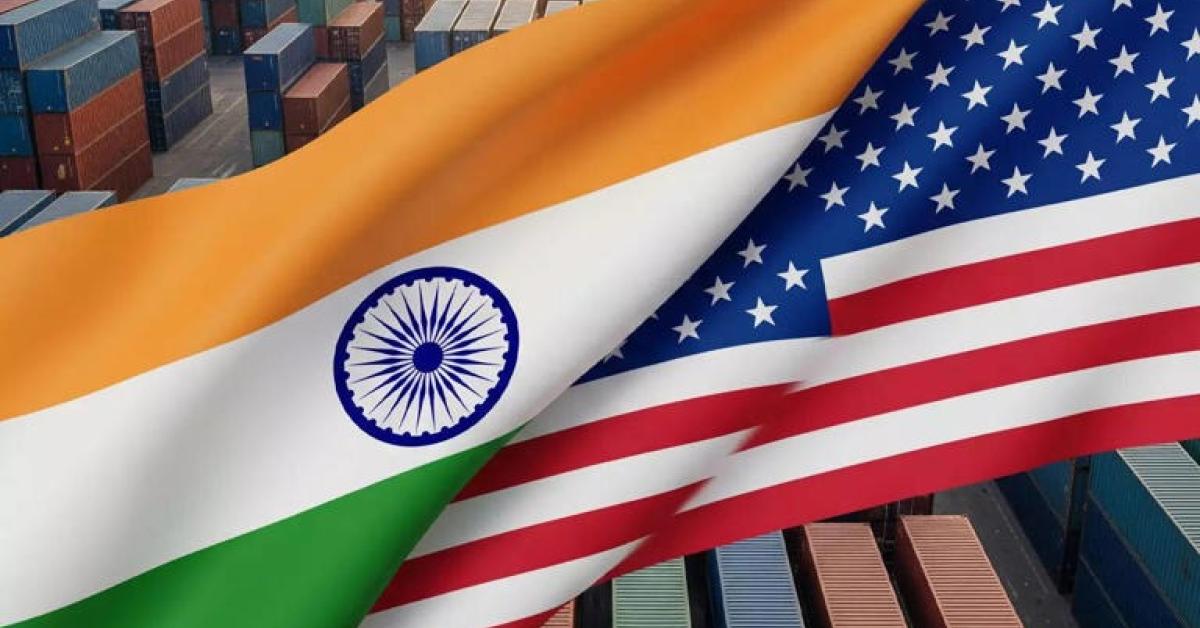

U.S. President Donald Trump on Wednesday described the newly announced India–U.S. trade agreement as “historic,” calling it a major step towards resetting economic relations between the two countries after months of trade tensions.
Speaking at a public event in Washington, Trump said the deal would significantly expand market access for American products in India while restoring balance in bilateral trade. He highlighted the agreement as a key achievement of his administration’s trade policy, aimed at reducing tariffs and boosting U.S. exports.
According to U.S. officials, the interim agreement provides for substantial tariff reductions on Indian exports to the United States, which had faced steep duties amid recent trade disputes. In return, India is expected to lower or eliminate tariffs on a range of American goods, including industrial products, agricultural items and energy exports.
Trump placed particular emphasis on energy cooperation, stating that the deal would increase U.S. exports of coal and other energy resources to India. “America is becoming a major energy exporter, and this agreement helps open one of the world’s largest markets to our producers,” he said.
The trade framework is being positioned as an interim arrangement, with both sides agreeing to continue negotiations toward a comprehensive Bilateral Trade Agreement (BTA) later this year. U.S. estimates suggest the deal could lead to large-scale Indian purchases of American goods over the coming years, though detailed commitments are yet to be formally finalised.
The announcement marks a shift from the strained trade relations seen in 2025, when the U.S. imposed higher tariffs on Indian goods, citing trade imbalances and broader geopolitical concerns. Those measures had triggered retaliatory steps and stalled negotiations.
Indian government officials have welcomed the agreement cautiously, noting that discussions are ongoing and that the final contours of the deal will reflect India’s domestic priorities and sensitivities, particularly in agriculture and manufacturing.
Economists and trade analysts say while the deal could boost bilateral trade and investor confidence, its long-term impact will depend on how tariff cuts are implemented and whether the proposed comprehensive agreement materialises.
Further details are expected once the formal text of the agreement is released and ratified by both sides.
- Log in to post comments